Discover Phuket’s historic Old Town, a colourful enclave filled with Sino-Portuguese architecture, religious sites, and lively weekend night markets, offering a rewarding half-day escape from the island’s beaches.
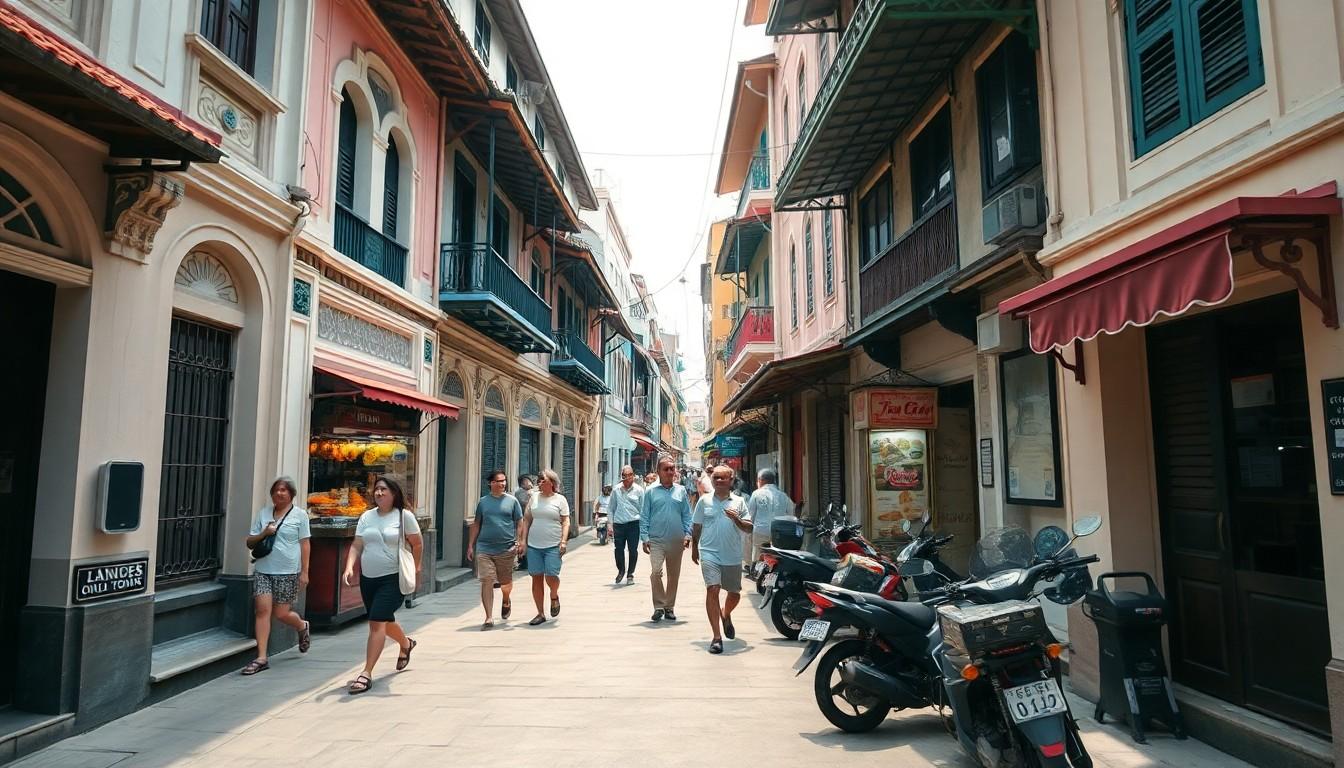
Phuket Old Town offers a very different Phuket from the one most travellers know from the beach resorts. According to Viridian Phuket and other local guides, this is the island’s historic and cultural core, where pastel-coloured Sino-Portuguese shophouses, Chinese shrines and old trading streets tell the story of the tin boom that shaped the island’s wealth. For first-time visitors to Phuket, it is one of the clearest places to understand how the island developed beyond tourism, and it is also one of the easiest areas to enjoy on foot.
The appeal is immediate: restored terrace houses in mint, pink and mustard shades, narrow lanes, street art, cafés inside heritage buildings and a compact centre that does not demand much planning. Thailand Addict notes that a leisurely walk through the district comfortably fills half a day, while Viridian Phuket says a visit usually takes two to four hours. That makes Old Town an easy add-on to a beach holiday, especially if you want a break from sun-loungers and traffic.
Thalang Road is the obvious starting point. It is the district’s main street and the place most visitors come to photograph, with rows of old shop-houses that still retain the look of Phuket’s tin-mining era. Soi Romanee, a short lane branching off Thalang Road, is often described as the most photogenic corner of the quarter, thanks to its tightly packed pastel façades and restored buildings. Dibuk Road and Phang Nga Road are quieter but equally worthwhile, especially if you prefer a slower walk and a better chance of spotting smaller details, murals and old mansions.
What gives the area its character is not just architecture but how it still functions as a living neighbourhood. Cafés, independent boutiques, small hotels and restaurants occupy buildings that once housed merchants and traders, and the old overhanging walkways remain useful in the tropical heat. Phuket Blog points out that the district is also known for its food culture, and the island’s old town has even been recognised for its culinary heritage, making it as much a place to eat as to sightsee. In practical terms, that means visitors can pause for coffee, lunch or dessert without leaving the historic setting.
Culture is everywhere, but it is especially visible in the religious sites. Jui Tui Shrine is one of the best-known Chinese temples in Phuket Old Town, while Wat Mongkol Nimit adds a Buddhist counterpoint just a short walk away. The short distances between shrines, temples and old houses make the district easy to explore without transport. The buildings are not museum pieces; they remain active places of worship, so modest dress and respectful behaviour are important.
For many travellers, Sunday is the best time to come. Viridian Phuket says Thalang Road turns into a Walking Street market from late afternoon into the evening, and other local guides describe the same event as one of the island’s liveliest night markets. Food stalls, crafts, souvenirs, live music and a much busier atmosphere give the district a different feel after dark. If you arrive in the afternoon, you can see the streets in daylight first and then stay for the market as the façades light up.
The best approach is simple: walk, pause and wander off the main route whenever something catches your eye. A museum stop can help make sense of the history, but the real pleasure of Phuket Old Town is in the streets themselves. For travellers deciding whether it is worth leaving the coast, the answer is yes. It is one of Phuket’s most rewarding half-day outings, and one of the few places on the island where history, food and everyday local life come together so neatly.