Exploring Thailand's northern and central regions by road reveals a richer, more authentic experience for families seeking an alternative to typical beach resorts, with flexible itineraries across temples, markets, and festivals.
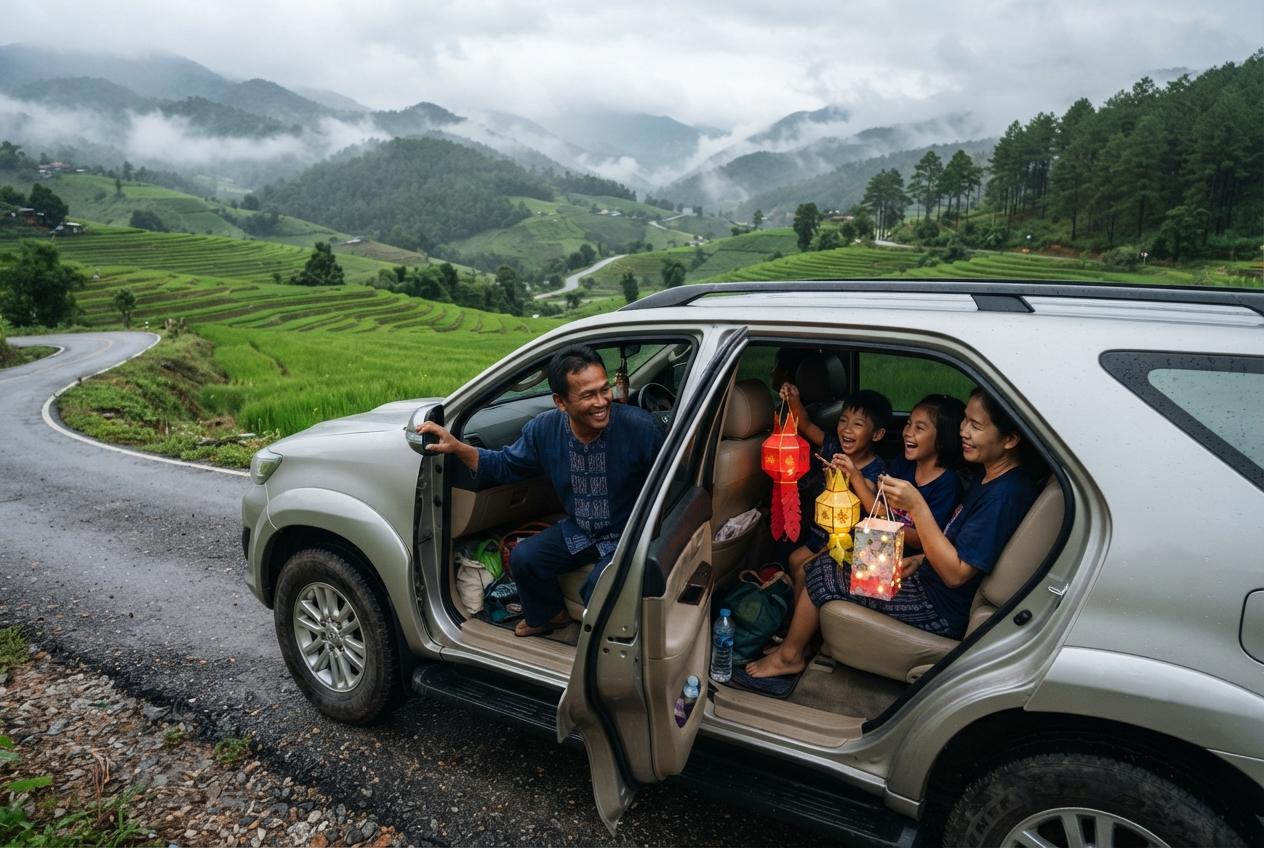
For families who want more than a beach-and-resort break, a road trip through Thailand’s northern and central heartlands offers a more varied and memorable way to travel. Rather than rushing from airport to island, you can link together temple towns, market streets and older cultural centres at your own pace, with enough flexibility to stop for snacks, short walks and detours that children actually enjoy. Travel writers covering Thailand increasingly point to these inland routes as a way to see a side of the country that many visitors miss, and to do so without the pressure of fixed group schedules.
A practical seven-day loop can begin in Chiang Mai, continue to Chiang Rai, then on to Sukhothai before circling back south. That structure keeps driving days manageable while giving families a clear mix of temple visits, local food and hands-on cultural moments. Chiang Mai works well as an arrival base because it combines easy logistics with plenty of soft-entry sightseeing, while Chiang Rai and Sukhothai add a slower, more reflective pace. Other family-focused Thailand guides also recommend blending cultural stops with gentler journeys rather than trying to cram in too much movement between flights or ferries.
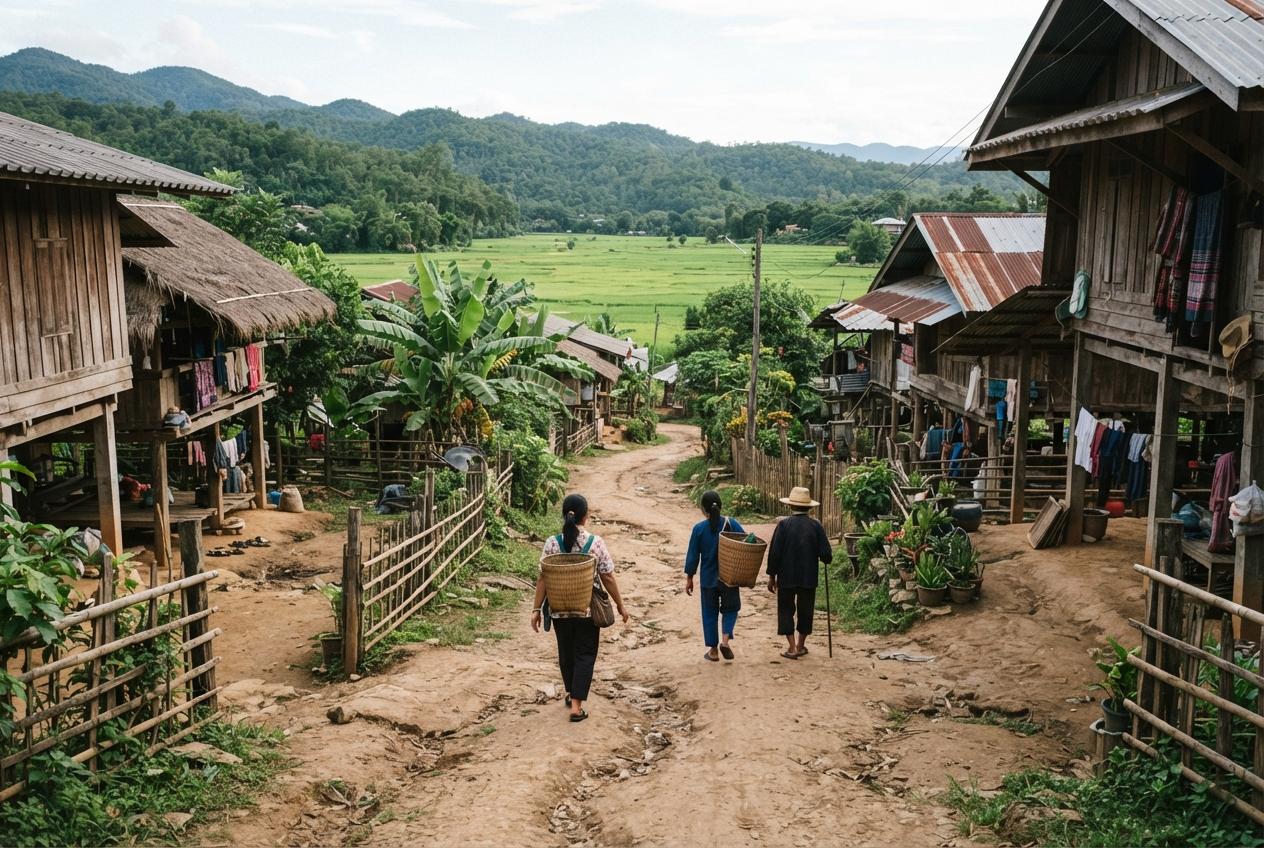
Chiang Mai is the best place to ease into the trip. Its old town is packed with temples, but not all of them need to be treated as major sights; the point is to let children see these places as part of daily life rather than as staged attractions. Wat Chedi Luang is especially good early in the morning, when the grounds are quieter, and the city’s markets offer a more useful lesson in ordinary Thai routines than a polished souvenir stop. If your family wants one higher-up viewpoint, Doi Suthep can be a worthwhile outing, though many visitors find it easiest to drive part-way and save energy for the final climb.
From there, Chiang Rai adds a more dramatic visual stop without losing the sense of authenticity. The White Temple is one of northern Thailand’s biggest draws, but it is best enjoyed early or late in the day, before the crowds build. The wider province also gives families a chance to explore places of genuine religious importance, including temples tied to the country’s Buddhist heritage. For travellers, the appeal is less about ticking off landmarks and more about creating a route where children can see how faith, ritual and everyday life overlap.
Sukhothai is where the trip becomes especially rewarding for families with school-age children. Its historical park spreads over a large area and is far easier to appreciate by bicycle than on foot alone, which makes it ideal for younger travellers who need movement as well as context. The ruined temples and broad landscaped grounds help turn history into something tangible. If your timing is right, November brings Loy Krathong, one of Thailand’s most atmospheric festivals, and Sukhothai is widely regarded as one of the best places to see it in a setting that still feels rooted in local tradition rather than tourist theatre.
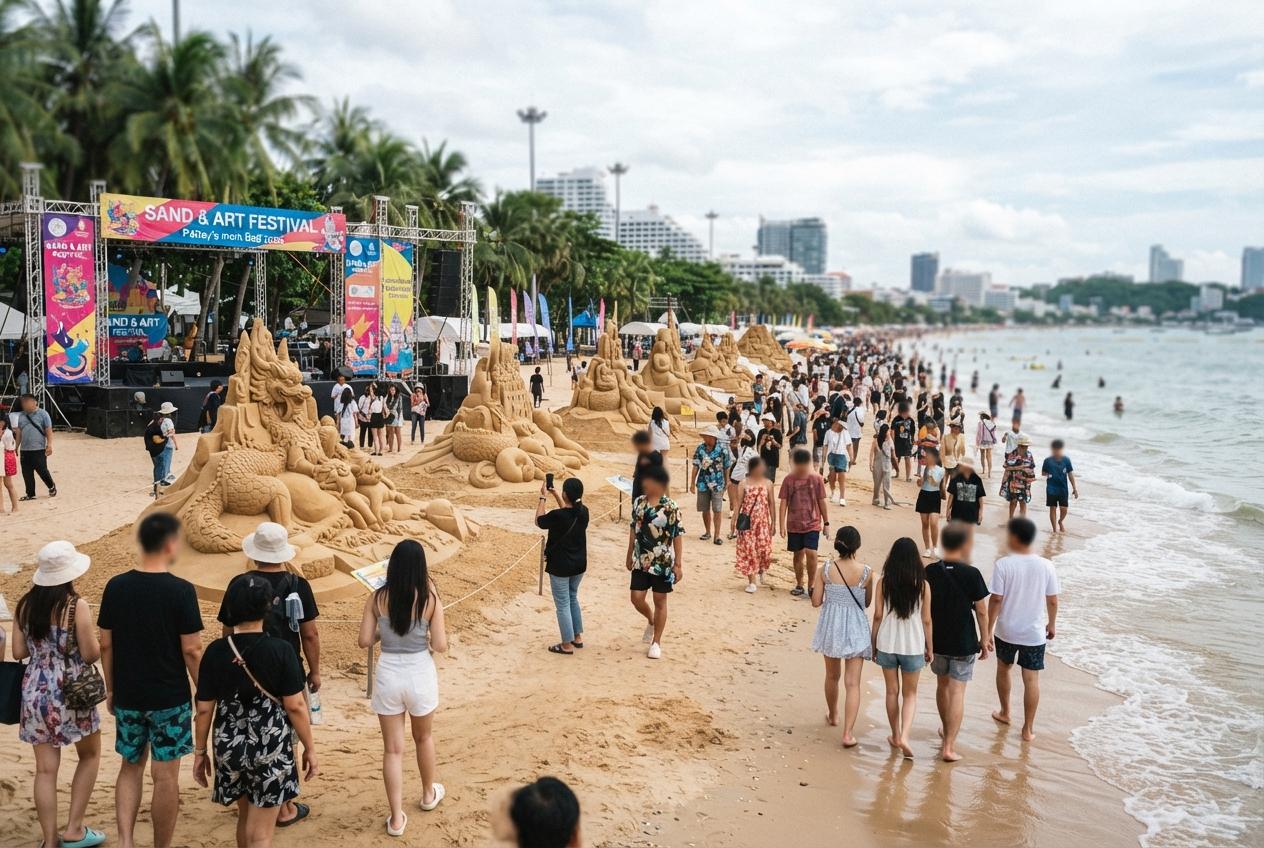
That timing matters. Across Thailand, some celebrations are worth planning a trip around, while others are better approached with caution if you are travelling with children. Songkran can be enormous and lively, especially in major cities, but smaller communities often provide a calmer and more meaningful version of the holiday. Loy Krathong is generally easier for families to enjoy, and regional events such as Phi Ta Khon remain appealing precisely because they are less saturated with overseas visitors. Guides to family travel in Thailand increasingly recommend looking beyond the big-name resort centres and into places where festivals still shape local rhythm.
The practical side of a self-drive trip is more straightforward than many first-time visitors expect, though it still pays to plan carefully. Recent guides note that Thailand’s main roads are generally well maintained, that Google Maps is widely useful, and that English signage is common on primary routes. Families should still avoid night driving where possible, keep fuel topped up in rural areas and check rental insurance before setting off. The main advantage is control: you can stop when children need a break, skip anything that feels too tiring and spend more time in the places that actually hold their attention.
For families choosing where to go in Thailand, that may be the real draw. Inland routes through Chiang Mai, Chiang Rai and Sukhothai offer a trip that is quieter, more varied and often more memorable than the standard beach circuit. They also give children a clearer sense that Thailand is not just a holiday backdrop but a living country of markets, temples and local routines. For many travellers, that makes the journey itself the destination.