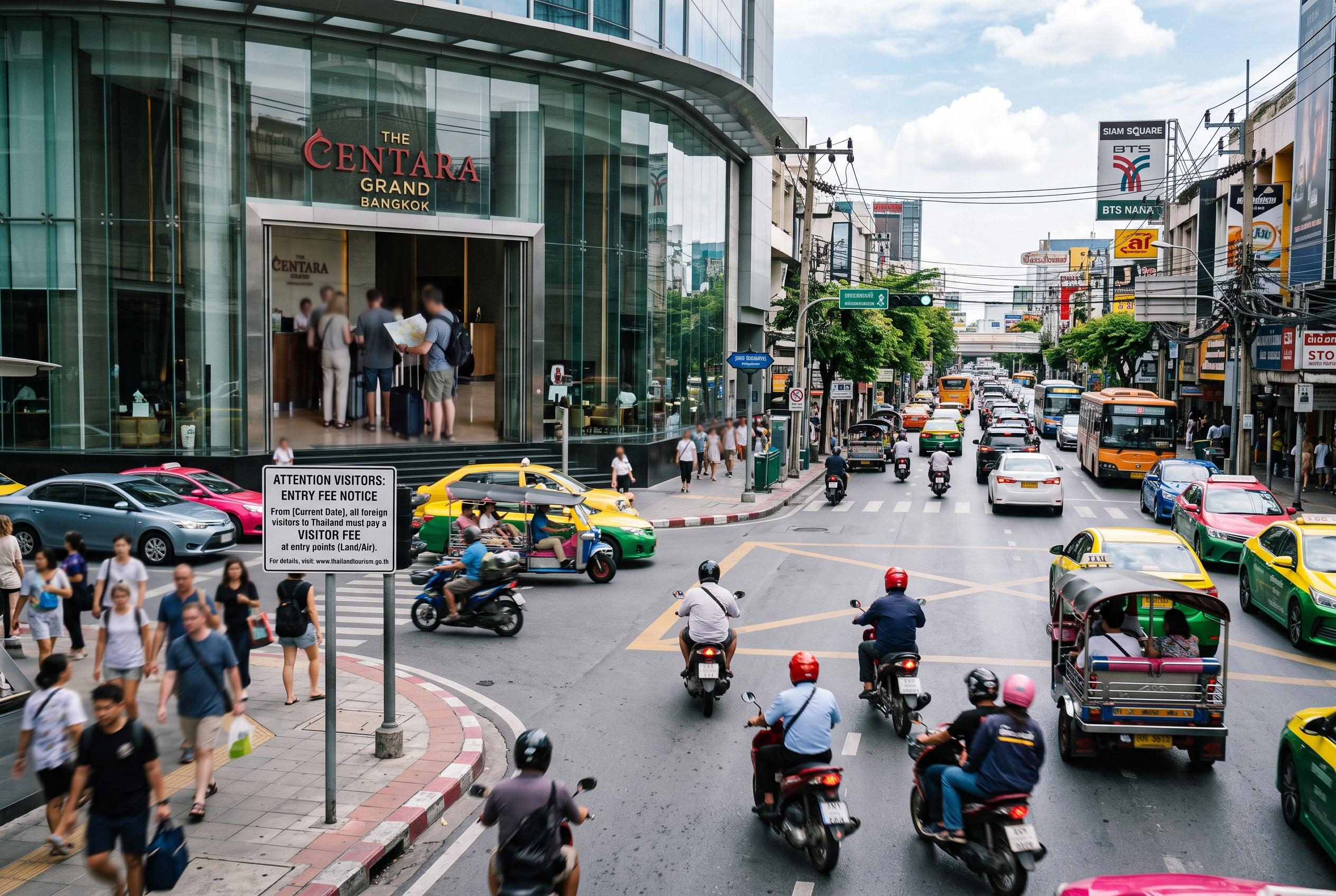
Thailand is exploring the introduction of a tourist levy, joining a growing trend among countries like Japan, New Zealand, Bali, Bhutan, and Maldives, which are integrating visitor charges into the travel experience to fund infrastructure and conservation efforts.
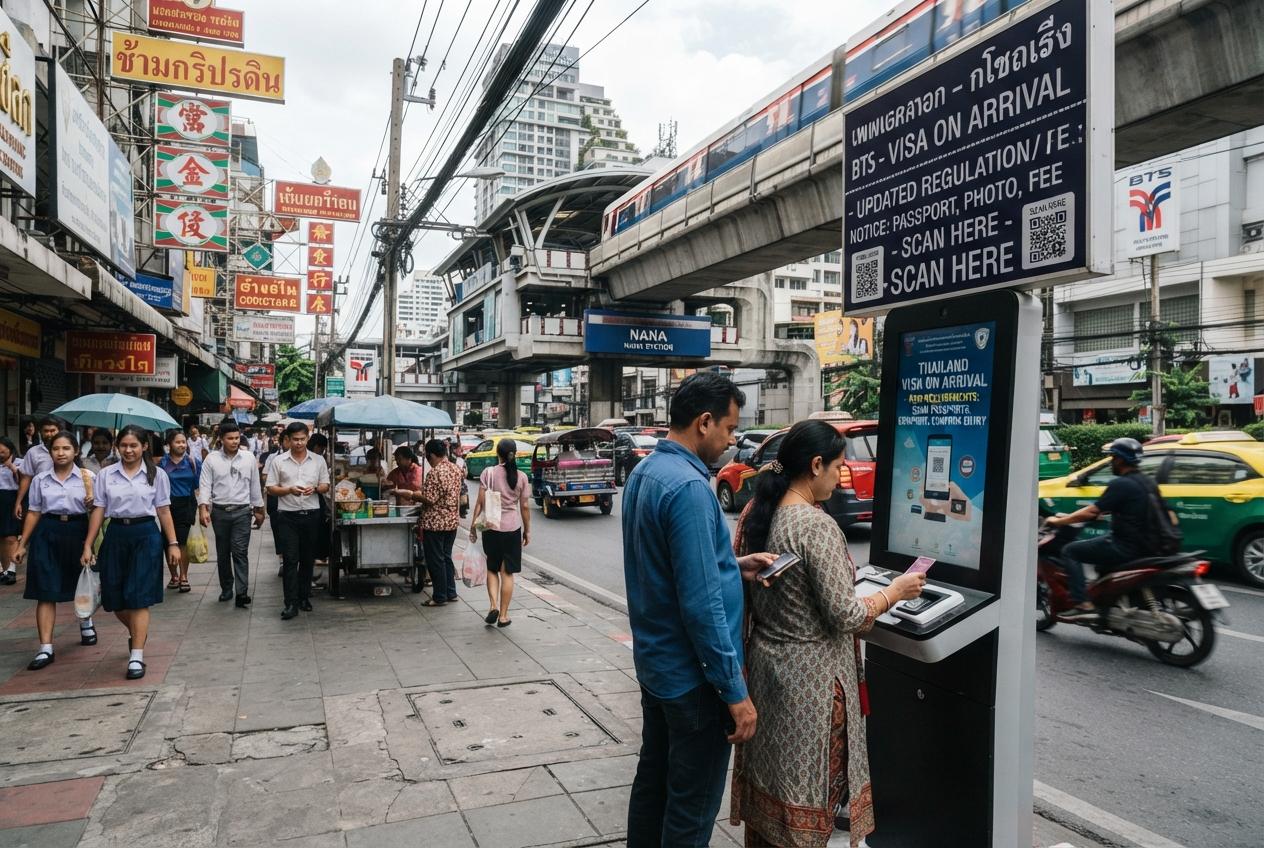
Thailand is emerging as the latest destination to weigh a tourist levy, joining a growing group of countries that are asking visitors to help pay for the strain and cost of popular travel markets. For holidaymakers, the practical message is simple: this is less about a dramatic new tax shock and more about another small charge that could be folded into your overall trip budget, much like departure taxes, visa-linked levies or accommodation add-ons already used elsewhere.
Japan offers one of the clearest comparisons. According to the Japan Times and Japan’s official tourism information, the country raised its international tourist tax from ¥1,000 to ¥3,000 from 1 July 2026, with the fee collected as part of airline and cruise ticket pricing rather than at the airport. The aim, the authorities say, is to help address overcrowding and support tourism infrastructure. For travellers, that means the extra cost is easy to miss unless it is checked before booking.
New Zealand has taken a different route by building its levy into the entry process. The Ministry of Business, Innovation and Employment says the International Visitor Conservation and Tourism Levy was increased to NZ$100 in October 2024, with the money intended to support tourism facilities and conservation. Immigration New Zealand says most visitors pay it when applying for a visa or NZeTA, making it a useful reminder that Thailand’s proposed charge, if introduced, may be handled in a similarly practical way rather than as a separate payment on arrival.
Elsewhere in the region, Bali shows how a destination can target visitors directly without applying a nationwide model. The island’s official Love Bali platform says international tourists must pay a one-off IDR 150,000 levy, introduced in February 2024, to support cultural and environmental protection. Bhutan, by contrast, uses a far steeper Sustainable Development Fee of US$100 a night, underscoring that tourism charges can be designed either as a modest administrative fee or as part of a broader strategy to limit volume and fund sustainability.
The Maldives provides another example of how visitor charges can be embedded into the holiday experience. Its Green Tax is applied through tourist accommodation, according to the Maldives Inland Revenue Authority, and government revenue figures show it remains a meaningful source of income. For travellers, the takeaway is not that Thailand will necessarily copy any one of these systems, but that visitor levies are becoming normal across major destinations. If Thailand finalises its proposal, the details that matter most will be when it is collected, who pays it and whether it is added at booking, arrival or departure.