Where to Stay in Phuket: A Practical Guide
Navigate Phuket's diverse landscapes and find the perfect base for your Thai holiday, whether you seek bustling nightlife, serene beaches, or family-friendly resorts.
24 August 2026 · 9 min read
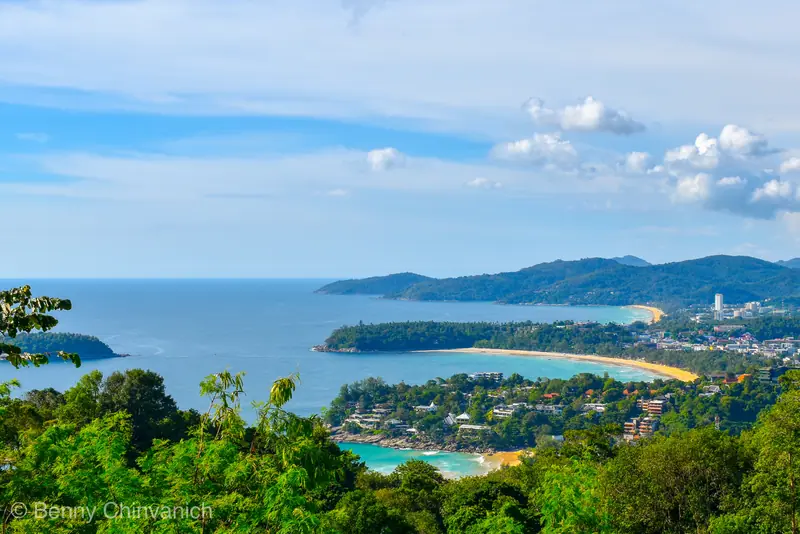
Phuket, Thailand's largest island, offers a kaleidoscopic array of experiences, from raucous nightlife to tranquil coves. Choosing where to stay is paramount to shaping your holiday. This guide dissects the island's primary neighbourhoods, helping you pinpoint the ideal location for your preferences.
Patong Beach: The Heart of the Action
Atmosphere: Patong is undeniably Phuket's most famous and bustling area, a high-energy hub known for its constant activity. It's lively day and night, catering to those who thrive on excitement and entertainment.
Beaches: Patong Beach itself is a long, crescent-shaped stretch of sand. While popular for sunbathing and water sports, it can get crowded. For a slightly quieter alternative nearby, head north to Kalim Beach or south to Tri Trang Beach.
Nightlife: This is Patong's main draw. Bangla Road, a pedestrianised street, is famous for its go-go bars, nightclubs, and live music venues. There are also numerous pubs and beach clubs.
Restaurants: You'll find an overwhelming choice, from international fast-food chains and street food stalls to upscale seafood restaurants and Thai eateries. Prices vary widely, from budget-friendly options to more expensive fine dining.
Transport Links: Tuk-tuks and taxi services are abundant, though often pricey. Grab (ride-hailing app) is available. Motorbike rentals are common but require caution. It's well-connected by road to other parts of the island.
Attractions: Beyond the beach and nightlife, you can find Jungceylon Shopping Centre, various markets, and Phuket Simon Cabaret. The surrounding hills offer some viewpoints.
Accommodation: A vast spectrum, from budget guesthouses and boutique hotels to large international resorts. Many hotels are within walking distance of the beach and Bangla Road.
Best for: Solo travellers, groups of friends, those seeking lively nightlife, first-time visitors who want to be in the centre of everything.
Advantages: Unbeatable nightlife, wide dining options, central location, abundance of services. Disadvantages: Can be very noisy and crowded, not ideal for a tranquil escape, beach quality can be compromised by crowds.
Karon Beach: Family-Friendly Charm
Atmosphere: Karon strikes a good balance between Patong's vibrancy and the quieter southern beaches. It's relaxed but still has plenty of amenities, making it popular with families and couples.
Beaches: Karon Beach is Phuket's second-longest beach, offering plenty of space. The sand is soft, and the water is generally clear, though can have currents during monsoon season. It's less crowded than Patong, providing a more peaceful sunbathing experience.
Nightlife: Much more subdued than Patong. You'll find a good selection of bars, pubs, and live music spots, but no large nightclubs. The Karon Temple Market (Tuesday and Friday evenings) offers a pleasant evening stroll and street food.
Restaurants: A diverse range, including local Thai eateries, seafood restaurants, and international cuisine. Prices are generally moderate.
Transport Links: Tuk-tuks and taxis are available, and Grab operates. Motorbike rentals are also an option. It's a short drive south of Patong and north of Kata.
Attractions: Beyond the beach, the iconic Karon Viewpoint (also known as 'Three Beaches Hill') offers panoramic views of Kata Noi, Kata Yai, and Karon beaches. Karon Temple is also worth a visit.
Accommodation: Features many mid-range to upscale resorts, including several large family-friendly hotels with extensive facilities.
Best for: Families with children, couples, those seeking a relaxed atmosphere with amenities, visitors who want a balance of activity and tranquillity.
Advantages: Spacious beach, good dining, family-friendly, less crowded than Patong. Disadvantages: Lacks the intense nightlife of Patong, transport can be expensive to other areas.
Kata Beach: Surfer Vibes and Laid-Back Bliss
Atmosphere: Kata is often split into Kata Yai (the main beach) and Kata Noi (a smaller, more exclusive cove). Kata Yai offers a laid-back, surf-friendly vibe, while Kata Noi is peaceful and luxurious. Both are less developed than Patong.
Beaches: Kata Yai Beach is beautiful, with soft sand and palm trees. During the low season (May to October), it becomes popular for surfing. Kata Noi Beach, just over the hill, is one of Phuket's most picturesque and serene beaches, perfect for swimming and sunbathing.
Nightlife: Similar to Karon, nightlife is low-key. You'll find beach bars, live music venues, and restaurants with a relaxed ambience. There are no large clubs.
Restaurants: An excellent selection ranging from street food stalls and casual Thai diners to high-end resorts and international restaurants, particularly around Kata Yai and the main road. Seafood is a speciality.
Transport Links: Tuk-tuks, taxis, and Grab are available. Many attractions are within walking distance if you stay near Kata Yai. It's easily accessible from Karon and a short drive to Patong.
Attractions: Beyond the beaches, you can visit the Big Buddha (a short drive inland), Dino Park Mini Golf, and various viewpoints. Surfing lessons are available during low season.
Accommodation: A mix of budget guesthouses, mid-range resorts, and luxury boutique hotels, especially around Kata Noi.
Best for: Families, couples, surfers (low season), those seeking a relaxed beach holiday with amenities, luxury travellers (Kata Noi).
Advantages: Beautiful beaches, relaxed atmosphere, good dining, surfing opportunities. Disadvantages: Limited intense nightlife, transport to Patong can be costly, Kata Noi is pricier.
Phuket Town: Culture and Cuisine
Atmosphere: A stark contrast to the beach resorts, Phuket Town is the island's historical and cultural capital. It boasts a charming Sino-Portuguese old town, vibrant markets, and a local feel.
Beaches: There are no beaches in Phuket Town. The closest swimmable beaches would be Rawai or Kata, requiring a taxi or local bus journey.
Nightlife: Less about clubs and more about trendy bars, pubs, and live music venues, particularly around the Old Town. There's also the popular Sunday Walking Street Market (Lard Yai) which comes alive in the evening.
Restaurants: A culinary hotspot. You'll find authentic Southern Thai cuisine, street food, old-school coffee shops, and trendy cafes. It's often where locals go to eat, offering a more genuine and often cheaper dining experience than the beach areas.
Transport Links: Local pink songthaews (shared taxis) provide affordable transport around town. Taxis, tuk-tuks, and Grab are also available for connections to the beaches. It serves as a transport hub for the island.
Attractions: The Old Town with its colourful shophouses, street art, and museums (e.g., Thai Hua Museum). Weekend markets (Naka Market, Lard Yai), Shrine of the Serene Light, and various temples. It's a great base for exploring the east coast and inland attractions.
Accommodation: Predominantly boutique hotels, guesthouses, and budget-friendly options, often in heritage buildings.
Best for: Culture vultures, foodies, budget travellers, solo explorers, those interested in local life and history, and as a base for day trips.
Advantages: Authentic local experience, fantastic food, historical architecture, affordable accommodation. Disadvantages: No beach access, requires transport to the coast, can be hot during the day.
Rawai & Nai Harn: Local Living and Serenity
Atmosphere: Located at the southern tip of Phuket, these areas offer a quieter, more local experience. Rawai is known for its seafood market and long-tail boats, while Nai Harn boasts one of the island's most beautiful beaches.
Beaches: Rawai Beach isn't ideal for swimming; it's primarily a working beach for long-tail boats and a jumping-off point for island hopping. Nai Harn Beach, however, is stunning – a wide, clean bay popular with locals and expats, offering excellent swimming and snorkelling.
Nightlife: Very minimal. A few relaxed bars and restaurants, but no clubs. The focus is on dining and quiet evenings.
Restaurants: Rawai is famous for its fresh seafood market where you can buy fish and have it cooked at a nearby restaurant. Both areas have a good selection of local Thai restaurants, expat-friendly cafes, and some international dining.
Transport Links: Fewer tuk-tuks than the north, so taxis and Grab are necessary. Motorbike rental is popular. It's a bit more isolated, making transport to Patong or Phuket Town longer and more expensive.
Attractions: Promthep Cape (Phuket's most famous sunset viewpoint) is nearby. The Rawai Sea Gypsy Village, Big Buddha, and various small islands (like Koh Bon or Coral Island) accessible by long-tail boat from Rawai.
Accommodation: A mix of guesthouses, private villas, mid-range resorts, and a few luxury options. Many expat residents in the area, offering a more residential feel.
Best for: Couples seeking a romantic and peaceful escape, families who want a quiet holiday, long-term stays, those interested in local culture and fresh seafood.
Advantages: Beautiful Nai Harn Beach, authentic local vibe, stunning sunsets, great seafood. Disadvantages: Limited nightlife, further from main attractions, requires transport for most activities, Rawai Beach isn't for swimming.
Bang Tao & Layan Beaches: Luxury and Space
Atmosphere: These adjacent beaches on the west coast are known for their upscale resorts, luxury villas, and expansive feel. They offer a sophisticated and relaxed atmosphere, often preferred by discerning travellers.
Beaches: Bang Tao Beach is one of Phuket's longest, offering plenty of space. It's home to the Laguna Phuket complex, a collection of interconnected luxury resorts. Layan Beach, at the northern end of Bang Tao, is even more secluded and pristine, often considered a hidden gem.
Nightlife: Low-key and resort-focused. You'll find sophisticated bars and lounges within the luxury hotels and a few beach clubs (like Catch Beach Club) that host events, but no wild party scene.
Restaurants: Primarily high-end dining within the resorts, offering international and fine Thai cuisine. There are also some excellent local seafood restaurants and a scattering of independent eateries. Prices tend to be higher.
Transport Links: Taxis and Grab are available. Within the Laguna complex, a shuttle bus and boat service connects resorts. It's a longer drive to Patong (around 30-45 minutes), making excursions more time-consuming and costly.
Attractions: Laguna Phuket Golf Club, various spas, elephant sanctuaries (e.g., Phuket Elephant Sanctuary is a short drive inland), and exploring the quiet northern parts of the island.
Accommodation: Predominantly luxury resorts, private pool villas, and high-end condominium rentals. Expect premium prices.
Best for: Luxury travellers, couples seeking romance and privacy, families who prefer resort amenities and space, golfers.
Advantages: Beautiful, uncrowded beaches, world-class resorts, serene atmosphere, excellent service. Disadvantages: Expensive, geographically spread out requiring transport, limited local life, far from Patong's nightlife.
Mai Khao & Nai Yang: Serene North
Atmosphere: These northern beaches are part of Sirinat National Park and are the quietest and least developed on the island. They offer a tranquil escape, far from the tourist crowds, with a focus on nature.
Beaches: Mai Khao Beach is Phuket's longest beach (11km) and is largely untouched, making it ideal for peaceful walks. Nai Yang Beach is a beautiful, sheltered bay with shallow water, perfect for families with young children. Both are nesting grounds for sea turtles at certain times of the year.
Nightlife: Almost non-existent, confined to quiet resort bars.
Restaurants: A limited selection outside of resorts, focusing on local Thai eateries, particularly around Nai Yang village. Resort restaurants offer international menus, often at higher prices.
Transport Links: Located close to Phuket International Airport (HKT), making transfers very quick. However, getting to other parts of the island requires taxis or Grab, which can be costly due to the distance.
Attractions: Sirinat National Park, the Plane Spotting Viewpoint near the airport, turtle nesting sites (seasonal), and the Gibbon Rehabilitation Project (inland).
Accommodation: Primarily luxury resorts (especially along Mai Khao), a few mid-range options, and some guesthouses around Nai Yang village.
Best for: Couples seeking ultimate peace and quiet, families with very young children, nature lovers, those with short layovers, honeymooners.
Advantages: Pristine and uncrowded beaches, close to the airport, peaceful environment, nature immersion. Disadvantages: Isolated from main tourist hubs, very limited nightlife and dining options outside resorts, transport to other areas is expensive and time-consuming.
Choosing the right area in Phuket will significantly impact your holiday experience. Consider your priorities – be it vibrant energy, family fun, cultural immersion, or luxurious seclusion – and select the neighbourhood that best aligns with your travel style.
Weekly hotel and destination updates
One email each Friday: new openings, standout stays and the Thai destinations worth booking next. No spam, unsubscribe any time.