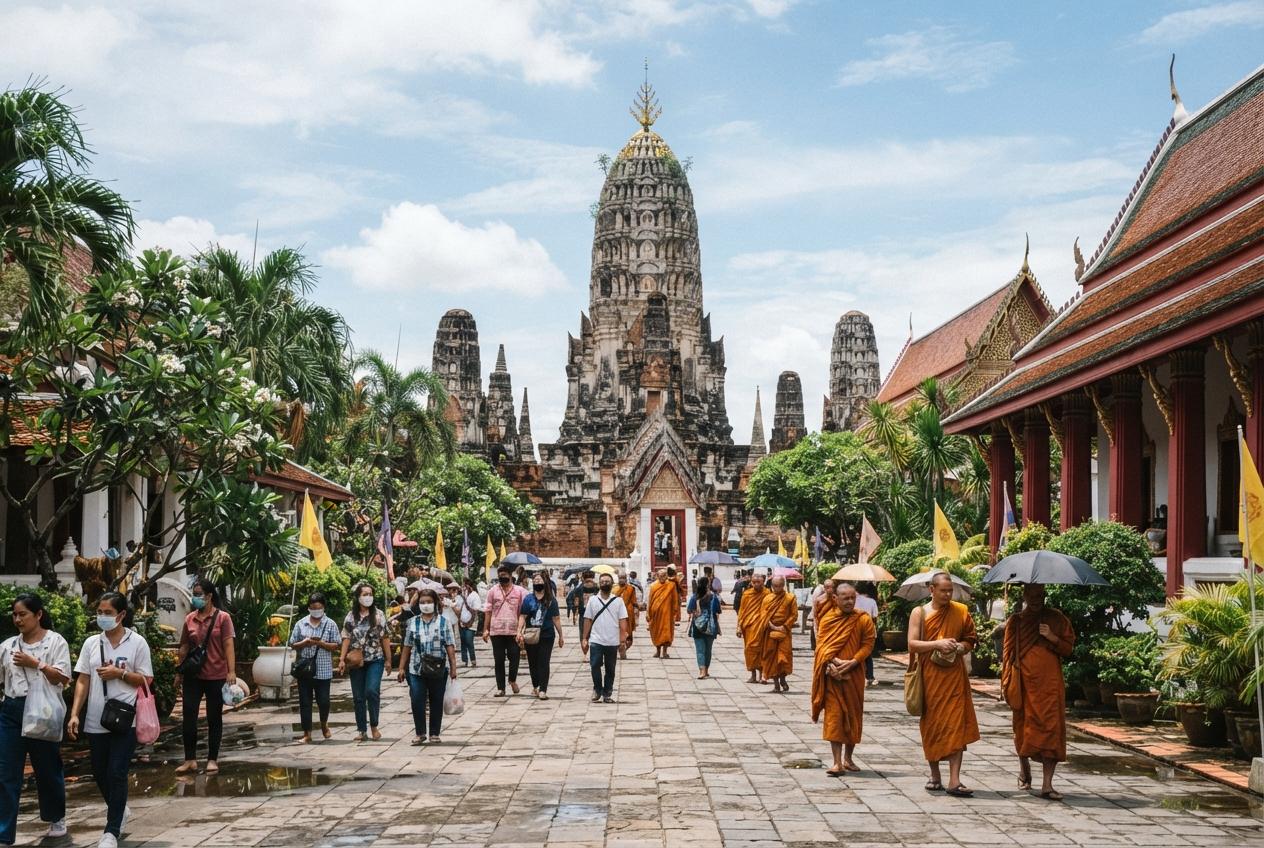
Wat Phra Mahathat Woramahawihan in Nakhon Si Thammarat is now recognised as Thailand’s ninth UNESCO World Heritage site, highlighting its rich history, cultural significance, and potential to diversify southern tourism beyond beaches.
Thailand has added Wat Phra Mahathat Woramahawihan in Nakhon Si Thammarat to the UNESCO World Heritage List, giving travellers another reason to look south beyond the better-known beach destinations. The recognition places the temple among the country’s most important heritage sites and marks it out as Thailand’s ninth World Heritage property, with the site now sitting alongside celebrated historic and natural landmarks across the country.
For visitors, the appeal goes well beyond the status. UNESCO says the monastery has been a major Buddhist centre since the eighth century, and its architecture reflects centuries of exchange across the region, drawing influences from India, Java, Sri Lanka and southern Myanmar. That layered history is what makes the site stand out: it is not just an ancient monument, but a living place of worship where tradition still shapes the visitor experience.
Local rituals remain central to its identity. Among the best-known is the annual cloth-wrapping ceremony for the Great Reliquary, while the Nora dance drama also continues as part of the area’s cultural life. The Tourism Authority of Thailand is using the UNESCO listing to promote a year-long programme, titled "The Twelve Sacred Discoveries Nakhon Si Thammarat: A Journey to World Heritage", which is designed to encourage visits in different seasons rather than as a one-off stop.
That makes the city more interesting for travellers planning a broader Thailand itinerary. Nakhon Si Thammarat has long been an under-visited cultural destination, but the new inscription should make it easier to justify spending time there, especially for travellers who want temples, local traditions and a slower pace than the country’s major resort areas. According to TAT governor Thapanee Kiatphaibool, the aim is to develop the site as a destination where faith, culture and community remain at the centre, while also ensuring the temple’s significance is respected and sustained.
For travellers, the practical takeaway is simple: if you are heading to southern Thailand, this is now one of the country’s most compelling heritage stops. It offers both a sense of scale and a sense of continuity, with centuries-old religious traditions still visible in day-to-day life. UNESCO’s listing should help put Wat Phra Mahathat Woramahawihan on more itineraries, but its real value is that it gives visitors a place where history is still happening.