Dining14 August 2026
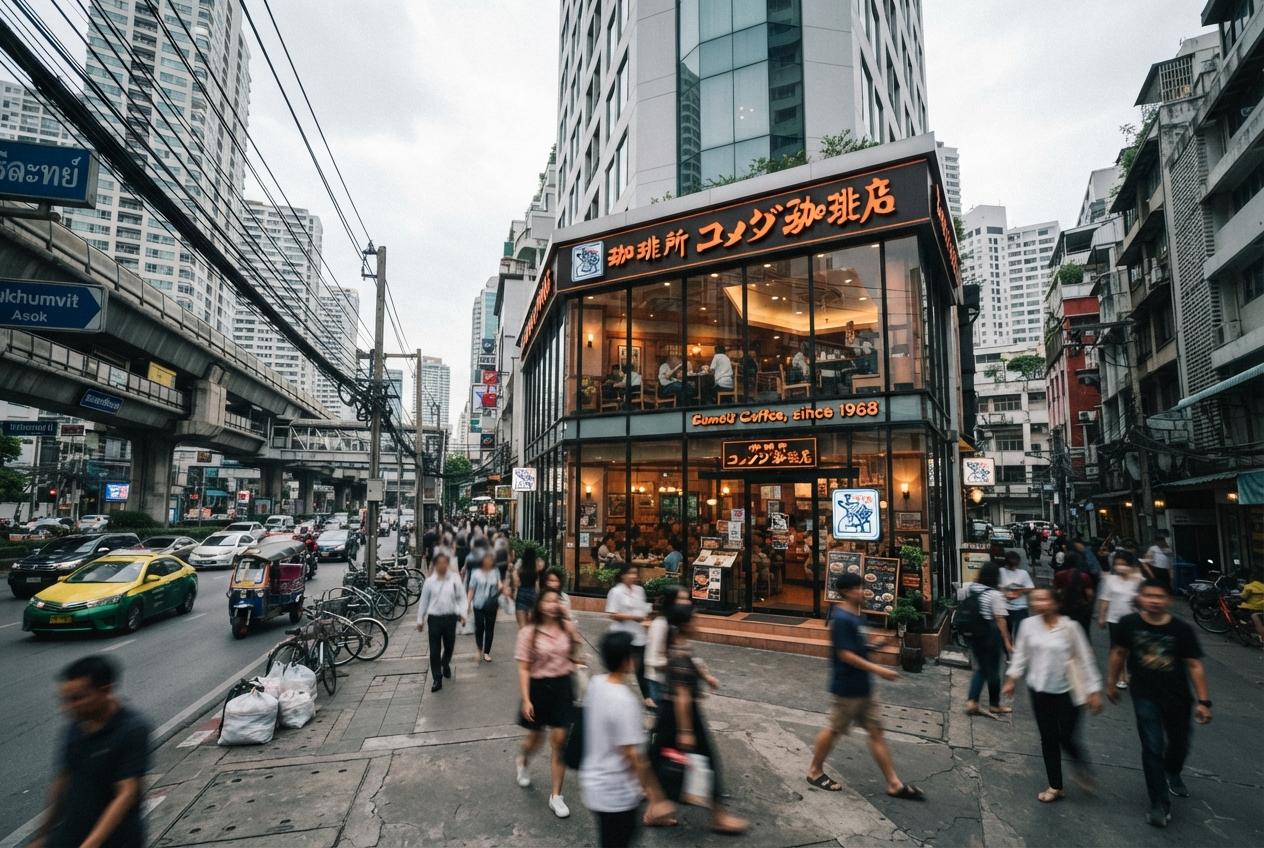
Komeda Coffee sets its sights on Bangkok with first outlet in Asok
Komeda Holdings is bringing its Japanese café experience to Bangkok, opening a new branch in the Asok district by the year's end, marking a significan…
News and reviews of Thailand's best hotels and restaurants
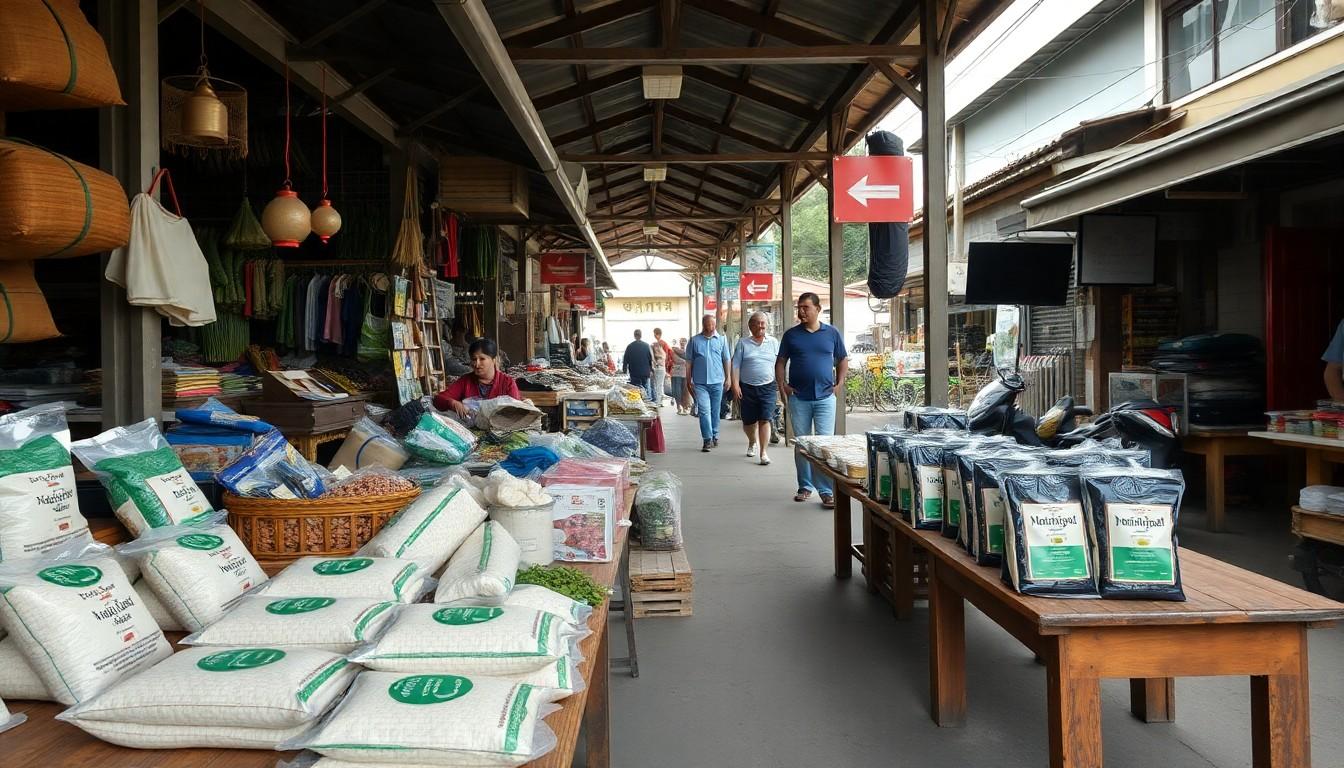
Thailand’s tourism authorities are leveraging local foods with Geographical Indication status to attract visitors to regional communities, promoting sustainable growth and authentic experiences across the country’s diverse provinces.
Thailand’s tourism authorities are using food as a way to pull visitors off the standard city circuit and into the country’s regional heartlands. According to the Tourism Authority of Thailand, a new culinary map is designed to steer travellers towards local specialities tied to Geographical Indication status, which signals that a product’s character comes from its place of origin and traditional methods of production. The idea is simple: eat well, travel further and spend more directly in local communities.
The first rollout highlights five products that are both distinctive and easy to build a trip around: Doi Chang coffee from Chiang Rai, Phon Yang Kham premium beef from Sakon Nakhon, Sam Phran aromatic coconut from Nakhon Pathom, Chanthaburi durian and Trang roast pork. For travellers, that means more than a tasting list. It opens the door to mountain coffee farms in the north, orchards in the centre and fruit-growing and food markets in the east and south, where local cooking traditions often shape the best meals. Thailand’s official GI programme now covers 176 products across all 77 provinces, underscoring how wide this culinary map could eventually become.
For visitors planning a food-led itinerary, the appeal lies in the variety of experiences rather than fine dining alone. In Chanthaburi, for example, the Tourism Authority of Thailand already promotes Talad Nam Pu as a lively market where visitors can sample local dishes and seafood alongside the province’s famous specialities. Elsewhere, Thailand’s GI system has also been used to protect products with export value, including aromatic coconuts and coffee, which helps strengthen confidence in what travellers buy, taste and bring home.
The wider goal is to make tourism more sustainable and more rewarding for rural communities. Thai government material says GI protection helps local producers, supports community-based tourism and raises the profile of regional goods both at home and abroad. For travellers, the practical takeaway is that Thailand’s best food experiences are increasingly being framed not just as meals, but as reasons to visit specific places , from coffee plantations and fruit orchards to markets and roadside kitchens.
Reported via our Thailand travel wire. View the original filing.
One email each Friday: new openings, standout stays and the Thai destinations worth booking next. No spam, unsubscribe any time.
Komeda Holdings is bringing its Japanese café experience to Bangkok, opening a new branch in the Asok district by the year's end, marking a significan…
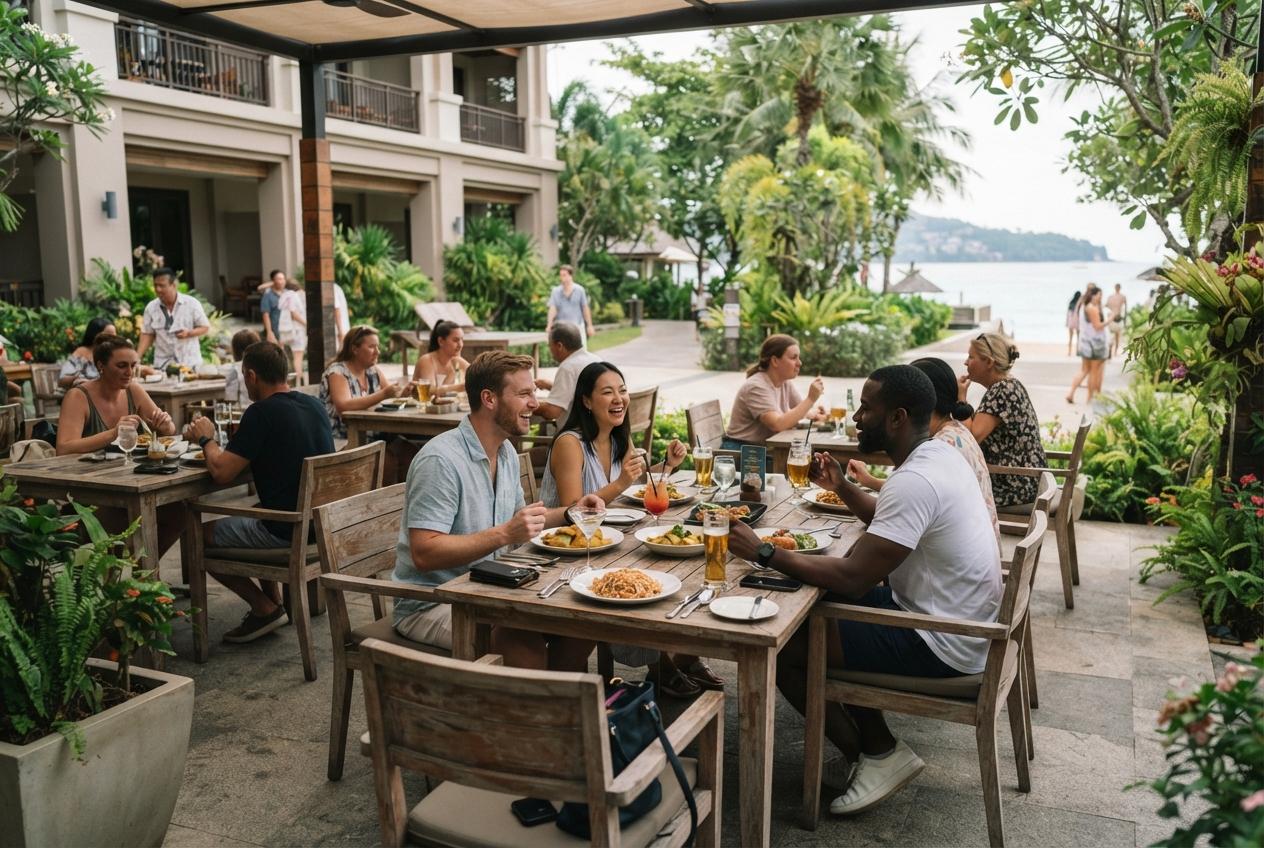
The Courtyard by Marriott Phuket, Patong Beach Resort, leverages its prime location and varied eateries to offer travellers a seamless blend of beachs…
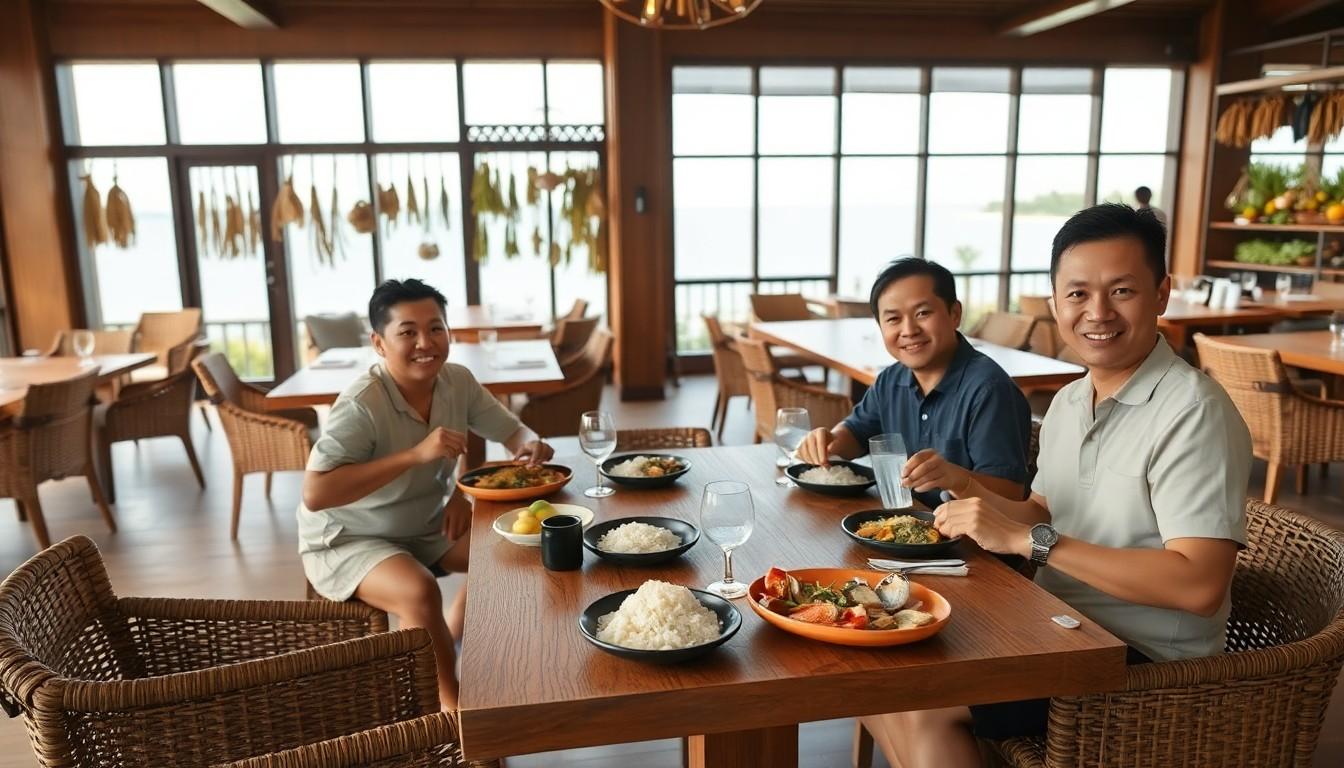
Jaras, the Thai restaurant at InterContinental Hua Hin Resort, has been recognised with a Thai SELECT 2 Stars distinction, highlighting its commitment…