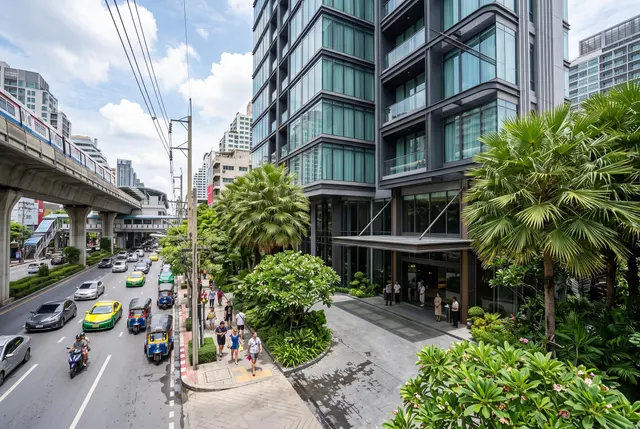
Thailand remains a year-round destination with regional differences, enabling travellers to tailor their visits for beach, adventure, or cultural experiences depending on the season and coast chosen, from peak dry months to lush, quieter off-peak periods.
Thailand rewards travellers year-round, but the most comfortable window is generally from November to February, when the heat eases, rainfall is lower and the country feels at its most manageable for beach time, island hopping and sightseeing. That is the period most guides point to for first-time visitors, and for good reason: the weather is more reliable, the sea is usually calmer and the risk of having a tightly planned trip washed out by rain is reduced. According to Rough Guides and Thai travel specialists, this is also the busiest season, so flights, hotels and boats tend to be in greatest demand.
For visitors who want sun and sea, Thailand’s split coastline matters as much as the calendar. The Andaman side, which includes Phuket, Krabi, Koh Phi Phi, Koh Lanta and the Similan Islands, is typically at its best from November through April. On the other side, the Gulf of Thailand often stays favourable for longer, making Koh Samui, Koh Phangan and Koh Tao stronger options later in the year. That regional variation gives travellers more flexibility than they may expect, and it means Thailand can still work as a holiday destination even when one coast is in its rainy period.
The hotter months from March to May are a different proposition. Temperatures can rise sharply, particularly inland and in the north, but this is still a useful period for visitors who prioritise quieter beaches and are comfortable with strong sun. Travel guides note that the Gulf islands can remain appealing during this stretch, while the larger cities and inland attractions are better tackled early in the day. April also brings Songkran, Thailand’s New Year celebration, when streets fill with water fights and the atmosphere becomes far more exuberant than restful.
From June to October comes the wetter, greener season. Rain is more frequent, but it is often short and concentrated rather than all-day, and the trade-off is lower prices and fewer crowds. For travellers on a tighter budget, this can be the best-value time to go, especially if they are prepared to adjust plans around the weather. The landscape is at its lushest, and Bangkok in particular can be more comfortable to explore without peak-season congestion.
For most holidaymakers, the practical answer is simple: choose November to February if you want the safest bet for beaches, boats and sightseeing, then match the coast to the season if your dates are fixed. That is especially useful for island-focused trips, where conditions can vary sharply between the Andaman and Gulf sides. The bigger lesson from the guidance is that Thailand does not really have one single best time to visit; it has the right time for the kind of holiday you want.